Pediatric PT / OT Clinics

One therapist. One child. One tool that respects the medical devices.

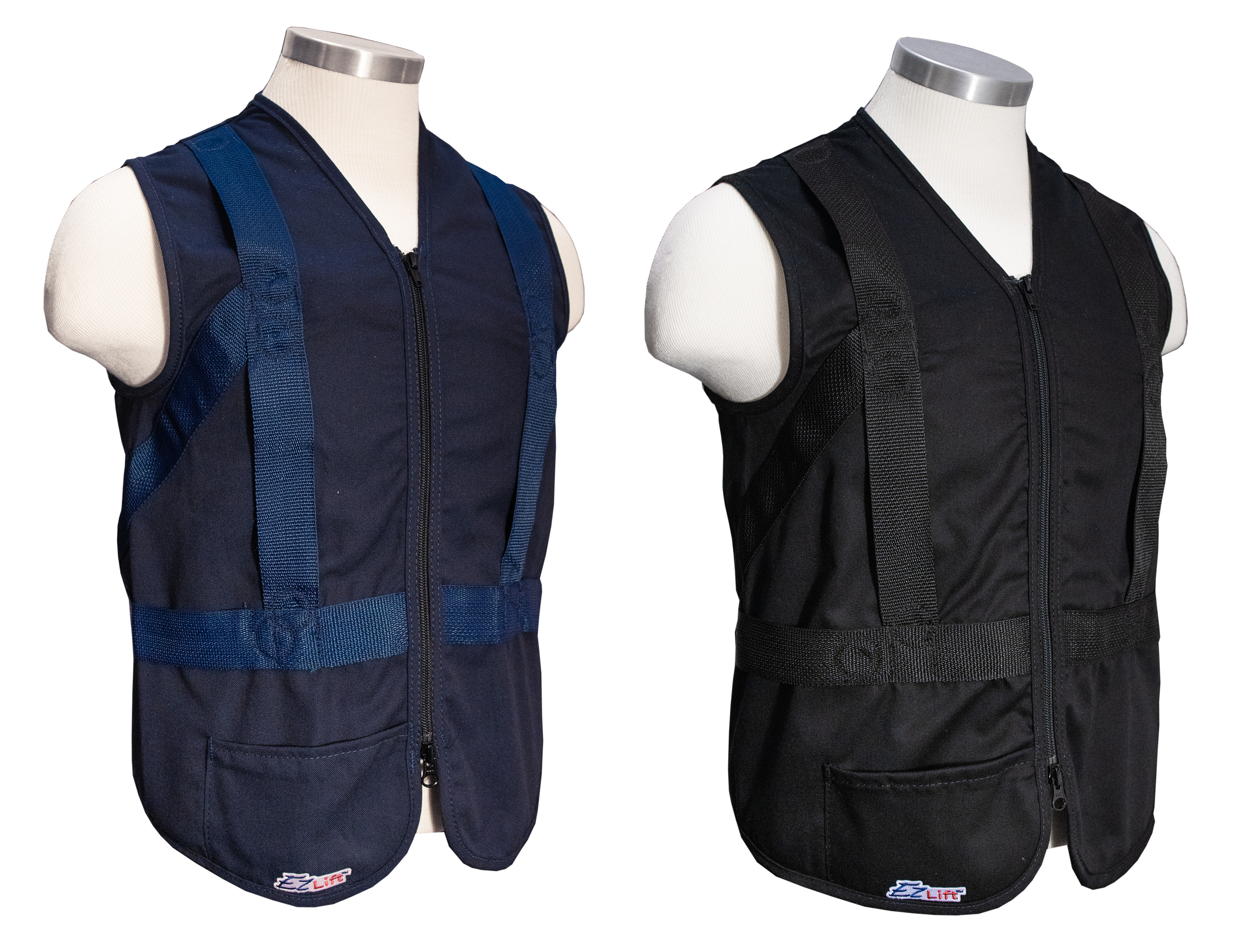
Pediatric therapists have the highest career-length back-injury rate in allied health. And most of them work solo in a treatment room with a child who often has a G-tube, a port, a central line, or a recent surgical site — exactly where a gait belt cinches. The EZ Lift Vest carries load across the upper torso, gives 11 grip points for controlled gait training, and works with the child's existing equipment.

  • G-tube & central-line safe
  • 11 grip points for gait training
  • Fits over pediatric equipment
  • RN-designed
EZ Lift Vest — for pediatric PT and OT solo therapist transfers
Sizing appropriate for pediatric patients; contact for smaller sizing.

Who transfers, and when

Every solo pediatric session has these moments.

Who does the transferring

  • Pediatric physical therapists — PT sessions and gait training
  • Pediatric occupational therapists — ADL and sensory sessions
  • PTAs & COTAs — supervised session support
  • Feeding therapists / SLPs — feeding-position transfers
  • Rehab techs — session prep and equipment moves

When the vest is used

  • Wheelchair ↔ therapy mat — session start & end
  • Gait training — controlled catch, controlled lower
  • Stander / gait trainer transitions — into and out of equipment
  • Feeding-position transfers — chair ↔ feeding seat
  • Floor time — chair ↔ floor mat, floor ↔ standing
  • Family training — teaching parents safe transfer

Why the vest fits pediatric therapy

Safe for children with G-tubes, ports, and central lines

The population that shouldn't wear a gait belt — but often does anyway.

The vest distributes load across the upper torso. No abdominal pressure. No belt cinched over the feeding-tube site. For children with complex medical needs, this is the difference between a safe transfer and a call to the physician.

11 grip points for controlled gait training

Therapists need catches without interrupting the therapeutic movement.

The multiple grip points let a therapist stay on the child throughout gait training — hand-over-hand, side-by-side, or behind — with a controlled lower always available if the child fatigues.

Works solo in a treatment room

Most pediatric sessions don't have a second therapist available.

The vest is engineered for safe single-caregiver transfers. A therapist runs the full session — transfer, treatment, re-transfer — without needing to call for help.

Compatible with the child's existing equipment

No substitution of the child's wheelchair, walker, or gait trainer.

The vest works with the mobility equipment the child already uses. That matters when the equipment is custom-fit, insurance-authorized, or the child's personal preference.

Family-training-friendly

Parents often need to learn safe transfers for home.

The vest is simple enough for a parent to learn in one session and take home. Pediatric clinics often use the vest as part of caregiver education, extending safe technique into the home environment.

Reduces therapist career-length back injury

The clinical staffing risk that gets a therapist to leave the field.

Pediatric therapists have among the highest career-length back-injury rates in allied health. The vest's biomechanics protect the therapist as much as the child.

Gait belt vs. EZ Lift Vest vs. Hoyer — for pediatric therapy

ConsiderationGait beltEZ Lift VestHoyer
Safe for kids with G-tubes / portsNo — cinches abdomenYes — no abdominal pressureYes — sling distributes
Supports gait trainingLimited — 1 gripYes — 11 grips, controlled catchNo — not a gait tool
Solo therapist in a treatment roomOften unsafeYesNo — 2 staff
Family-training friendlyYes — but limitedYes — teachable in one sessionNo — complex
Works with child's own equipmentYesYesRequires sling swap
Cost per clinicLowMiddle$2,000+ per lift

Questions clinic directors ask us first

Can a pediatric therapist work 1:1 with the vest?

Yes. The vest is engineered for safe single-caregiver transfers. A PT or OT can conduct a full 1:1 session including transfers, gait training, and repositioning — without a second staff member.

Is the vest safe for a child with a G-tube, port, or central line?

Yes. The vest distributes load across the upper torso rather than cinching at the waist, so there is no abdominal pressure. This makes it safer than a gait belt for children with feeding tubes, TPN ports, or central lines. Confirm with the child's clinical team before use in any specific case.

Does the vest support gait training?

Yes. The 11 grip points give a therapist multiple hand positions during gait training — including a controlled lower if the child fatigues mid-session.

Does the vest fit small pediatric bodies?

Multiple sizes are available, including sizing appropriate for younger pediatric patients. For patients below the standard pediatric size range, contact the manufacturer to discuss fit.

Is the vest compatible with adaptive equipment already in use?

Yes. The vest works with the child's existing wheelchair, walker, stander, gait trainer, and adaptive seating. It does not require the therapist to substitute equipment mid-session.

How do we get information for our clinic?

Peggy or Cathy call to confirm fit, send the information packet within 24 hours, and connect with your therapy team.

Designed by nurses

Designed by RNs who have worked alongside pediatric PT and OT.

Peggy and Cathy have partnered with pediatric therapy teams for decades. The vest reflects what they saw — a child with medical complexity, a therapist working alone, a gait belt that was never right for either of them.

RN-designedPatentedMade in USA
PatentedOriginal design
RN-designed35+ yrs of nursing
Made in USASt. Petersburg, FL
Family-ownedDirect from the RN founders

Talk to Peggy & Cathy

Tell us about your clinic or department. Peggy or Cathy will send the information packet within 24 hours and set up a short call with your therapy team.

Prefer to call?
800-792-2970 · info@ezliftvest.com

Sent only to Peggy Cauthen, RN and Cathy Foster, RN.